We wrote this so you can see how the topic works in practice. You can read it from anywhere. If you want lab practice next, we will help you pick a course in counselling.
Role of Technology in Modern Education
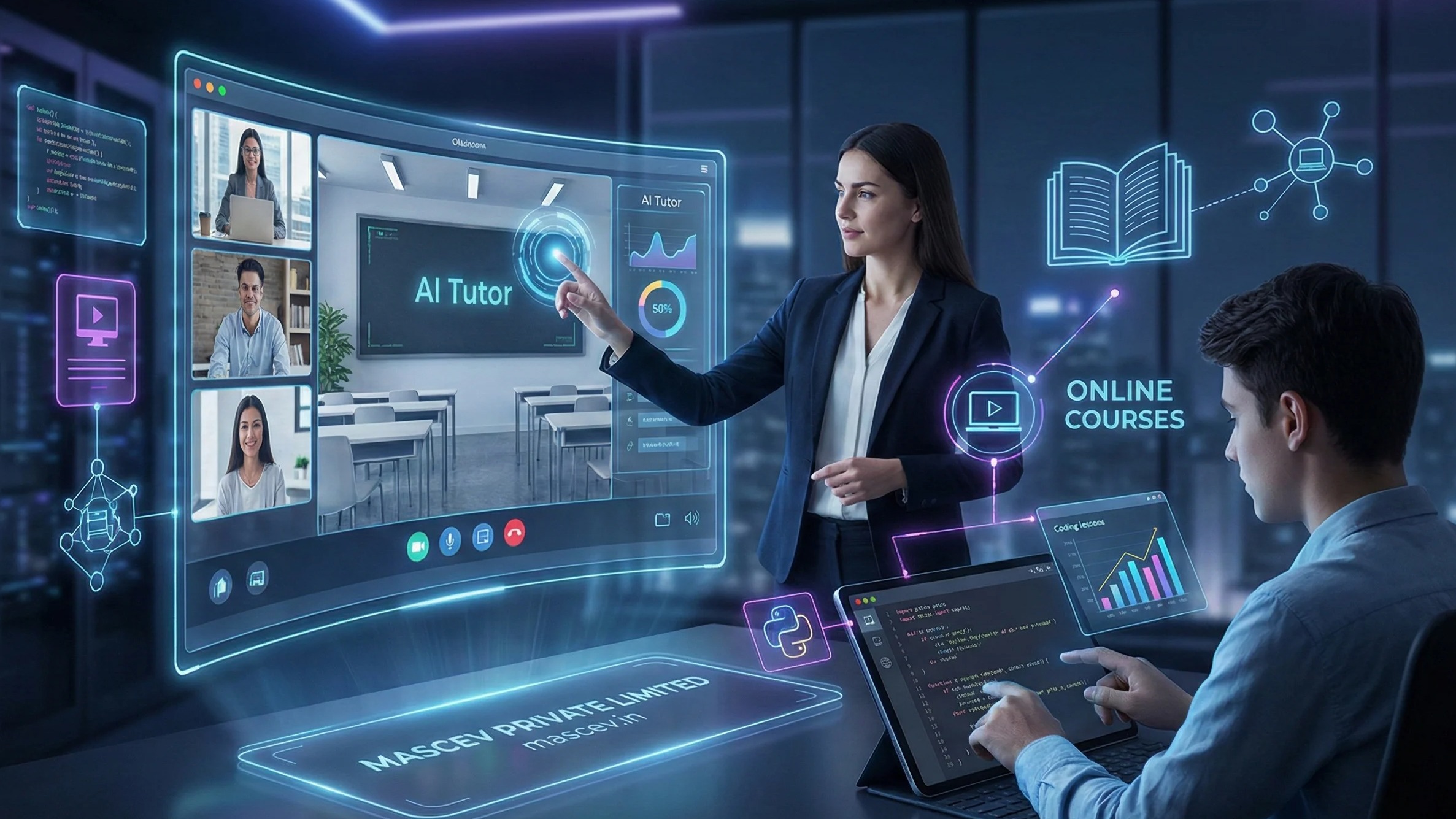
Technology has transformed the way we teach, learn, and access information. Modern education leverages digital tools, online resources, and interactive platforms to create a more engaging, efficient, and personalized learning experience.
1. Enhanced Accessibility and Flexibility
E-Learning Platforms: Students can access courses, tutorials, and lectures anytime and anywhere.
Remote Learning: Technology enables learning beyond geographical limitations, connecting teachers and students globally.
Assistive Tools: Tools for differently-abled learners ensure inclusive education.
2. Interactive Learning Experiences
Multimedia Content: Videos, animations, and simulations make complex concepts easier to understand.
Virtual Labs and AR/VR: Students can perform experiments, explore historical sites, or interact with 3D models virtually.
Gamification: Learning through games, quizzes, and challenges increases engagement and retention.
3. Personalized Learning
Adaptive Learning Systems: Technology analyzes student performance to provide customized learning paths.
AI Tutors and Chatbots: Offer instant guidance, answer queries, and provide feedback.
Data-Driven Insights: Educators can monitor progress and identify areas where students need support.
4. Collaboration and Communication
Online Collaboration Tools: Platforms like Google Classroom, Microsoft Teams, and Zoom facilitate group projects and discussions.
Global Peer Interaction: Students can collaborate with peers worldwide, sharing knowledge and ideas.
Teacher-Student Communication: Real-time feedback and support improve learning outcomes.
5. Skill Development and Career Readiness
Technology Integration: Helps students acquire digital literacy and technical skills relevant for the modern workforce.
Practical Exposure: Coding platforms, virtual labs, and project-based learning prepare students for real-world challenges.
Career Guidance: Online platforms provide resources for resume building, internships, and career planning.
Digital Learning Tools
Digital Learning Tools
Digital learning tools have revolutionized education by providing interactive, accessible, and personalized learning experiences. These tools empower students, educators, and professionals to acquire knowledge efficiently and effectively, regardless of location or time constraints.
1. Learning Management Systems (LMS)
Platforms: Moodle, Blackboard, Google Classroom
Functionality: Organize courses, track student progress, manage assignments, and facilitate communication between teachers and students.
Benefits: Centralized learning, progress tracking, and easy access to learning materials.
2. Interactive e-Learning Platforms
Platforms: Coursera, Udemy, edX, Khan Academy
Functionality: Offer structured online courses, video tutorials, quizzes, and assessments.
Benefits: Flexible learning, self-paced study, and exposure to global instructors and resources.
3. Collaborative Tools
Platforms: Microsoft Teams, Zoom, Slack, Google Meet
Functionality: Enable real-time collaboration, virtual classrooms, group projects, and online discussions.
Benefits: Enhances teamwork, communication, and remote learning capabilities.
4. Multimedia and Simulation Tools
Platforms: Labster, Animaker, Adobe Captivate
Functionality: Provide virtual labs, animations, simulations, and interactive videos.
Benefits: Makes learning complex concepts engaging and easier to understand.
5. Gamification and Educational Apps
Examples: Duolingo, Quizlet, Kahoot!
Functionality: Use games, quizzes, and challenges to reinforce learning.
Benefits: Increases student engagement, motivation, and knowledge retention.
6. AI-Powered Learning Tools
Platforms: Squirrel AI, Century Tech, ChatGPT (for educational support)
Benefits: Provides customized learning experiences and helps students focus on areas where improvement is needed.
"Benefits for Students
Benefits of Digital Learning for Students
Digital learning has transformed the way students acquire knowledge, offering a more flexible, engaging, and personalized educational experience. By leveraging technology, students can enhance their learning efficiency and prepare for future careers.
1. Flexible Learning
Access Anywhere, Anytime: Students can learn from home, school, or on the go.
Self-Paced Learning: They can revisit lessons, pause videos, and progress at their own speed.
2. Personalized Learning Experience
Adaptive Learning Platforms: Tools analyze student performance to provide customized content.
Focus on Weak Areas: AI-powered systems help students improve where they need the most support.
3. Interactive and Engaging Content
Multimedia Resources: Videos, animations, simulations, and gamified lessons make learning fun.
Hands-On Practice: Virtual labs and coding platforms allow practical experimentation without physical constraints.
4. Enhanced Collaboration
Online Discussion Forums: Students can interact with peers and instructors globally.
Group Projects: Collaborative tools enable teamwork and communication skills development.
5. Skill Development
Technical Skills: Coding, data analysis, digital literacy, and proficiency with modern tools.
Soft Skills: Time management, problem-solving, critical thinking, and communication.
6. Preparation for Future Careers
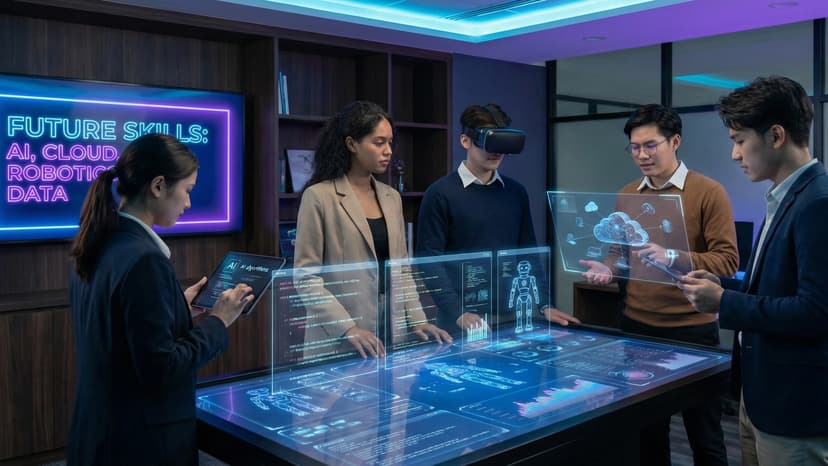
Exposure to modern technologies and real-world applications prepares students for high-demand roles in IT, data science, AI, cloud computing, and other emerging fields.
Building digital portfolios and project experience increases employability and career readiness.
Who this is for
This is for students, job seekers, and working learners who want a clearer picture of the skill before they pick a course.
How we help you after you read
We help you see a career direction before you pick a course. You can start from where you are, including if you are new to IT. In lab we practise the role, not only names of tools. After a course, we stay with you until you get a job, based on your performance.
Share this article
What you can do next
If this topic is the skill you want to practise, we can map it to a course. Visit an Ahmedabad centre with your parents, or join through online admission if you live outside Ahmedabad.
Short answers about who this is for, what to do next, and how to talk to us.
Who should read Role of Technology in Modern Education?
This is for students, job seekers, and working learners who want a clearer picture of the skill before they pick a course. You can read it from anywhere. If you want lab practice next, we will help you pick a course.
Do I need to visit Ahmedabad to use this article?
No, you can read it from anywhere. If you want to learn with us next, we warmly welcome you and your parents to visit one of our Ahmedabad centres — Maninagar, Nikol, or Vatva. If you live outside Ahmedabad, you can join through online admission with a counselling call.
Is this article the same as joining a CEC course?
No. We wrote this so you can understand the topic in plain language. A course is where you practise in lab, build work, and get feedback.
What should I do after I finish reading?
If this is the skill you want to practise, book counselling or open a related course. For this topic, you can start with Advanced Excel Mastery for MBA Students: Analytics, Finance & Reporting, Diploma in Computer Application (DCA), Flutter App Development with Live Projects, or browse all courses.
Can a parent use this to decide for a child?
Yes. You can read it together and then book counselling. School children of any grade start with counselling first — we do not enrol a child into a full career track without that conversation.
Can I start this skill after 10th or 12th if I did not pass?
After 10th or 12th, anyone can apply — pass, not pass, or a gap year, and any stream. Counselling is where we match the skill in this article to a course you can actually attend.
Will reading this get me a job?
No. An article is for understanding. If you join a course, complete practical work, and sit interviews, we stay with you until you get a job, based on your performance.
How do I talk to CEC about this topic?
Book counselling and mention this article, call +91 75740 10176, WhatsApp the same number, or email info@cecyours.org. In Ahmedabad, we would be glad to welcome you and your parents at a centre; outside Ahmedabad, we will set up a counselling call.