We wrote this so you can see how the topic works in practice. You can read it from anywhere. If you want lab practice next, we will help you pick a course in counselling.
Technology Trends Every Student Should Know
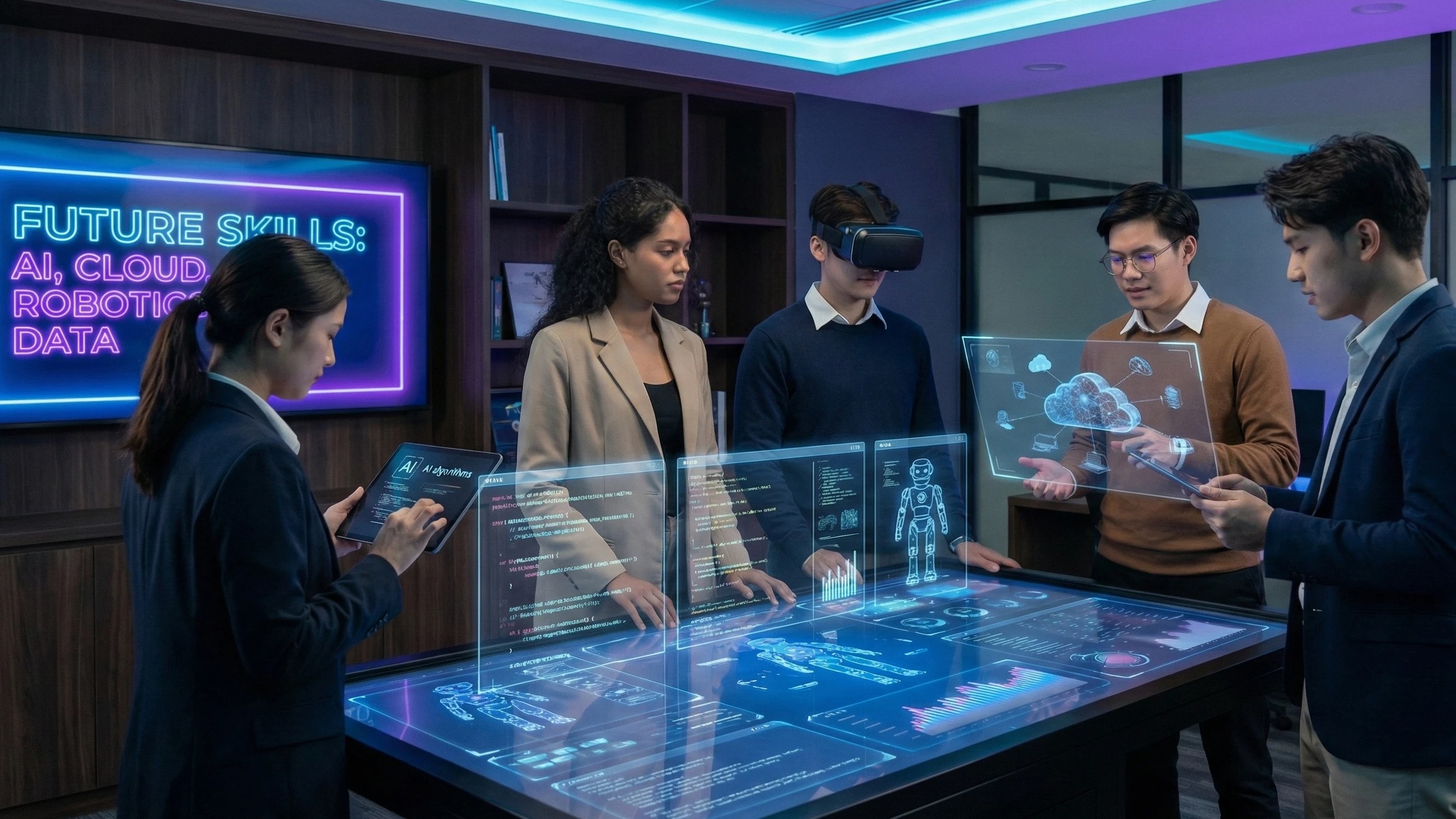
Technology is evolving at an unprecedented pace, and students who stay updated with the latest trends gain a significant advantage in academics, career readiness, and personal growth. Understanding emerging technologies helps learners adapt, innovate, and prepare for the future workforce.
1. Artificial Intelligence (AI) and Machine Learning (ML)
AI and ML are transforming industries by automating processes, providing insights from data, and enabling intelligent decision-making. Students should understand:
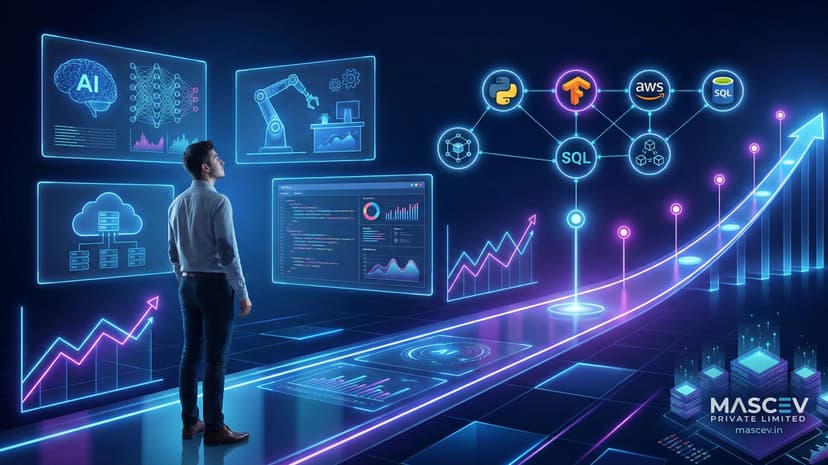
Basic AI concepts and algorithms
Applications in healthcare, finance, education, and robotics
Machine learning tools and platforms like TensorFlow and PyTorch
Knowledge of AI and ML equips students for careers in data science, software development, and research.
2. Cloud Computing
Cloud computing allows access to computing resources, storage, and applications over the internet. Students should be familiar with:
Platforms like AWS, Microsoft Azure, and Google Cloud
Cloud services such as SaaS, PaaS, and IaaS
Benefits like scalability, collaboration, and cost-efficiency
Cloud knowledge is critical for roles in IT infrastructure, DevOps, and enterprise solutions.
3. Cybersecurity
As digital dependence grows, protecting information and networks is more important than ever. Students should understand:
Network security basics
Encryption and authentication techniques
Common threats like malware, phishing, and ransomware
Cybersecurity skills are highly valuable across all industries.
4. Internet of Things (IoT)
IoT connects devices to the internet, enabling smart homes, wearable devices, and industrial automation. Students should know:
IoT device connectivity and protocols
Data collection and analysis from connected devices
Applications in healthcare, transportation, and smart cities
IoT knowledge prepares students for innovative engineering and tech-driven roles.
5. Mobile App Development
Mobile applications continue to drive innovation and engagement. Students should learn:
Android and iOS development fundamentals
Cross-platform app development tools
User experience (UX) and user interface (UI) design
Mobile app development skills open opportunities in software development, gaming, and digital entrepreneurship.
6. Data Analytics and Big Data
Data is the backbone of decision-making. Students should understand:
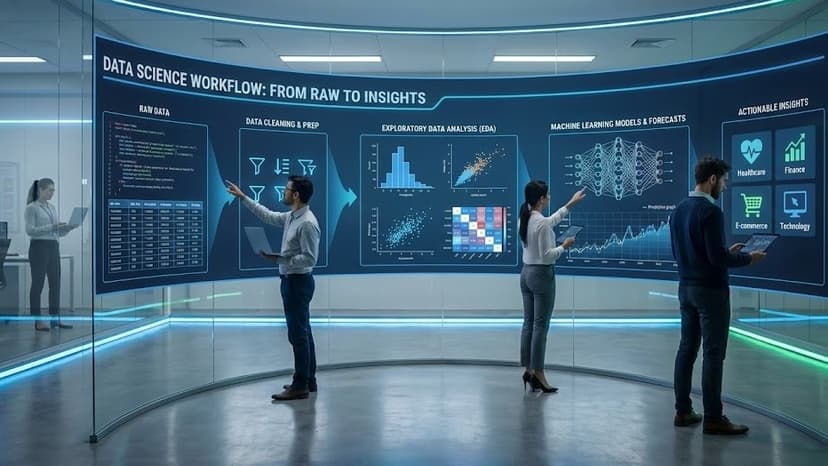
Data analysis tools like Excel, SQL, Python, and Tableau
Data visualization techniques
Interpreting trends for business and research
Data skills are in high demand for careers in analytics, research, and AI.
7. Augmented Reality (AR) and Virtual Reality (VR)
AR and VR are revolutionizing gaming, education, training, and entertainment. Students should explore:
AR/VR development tools and platforms
Applications in simulation, education, and marketing
Integration with mobile and web applications
AR/VR knowledge gives students an edge in creative technology and immersive experiences.