Back to Blogs

How Technology is Changing Education

December 15, 2025
5 min read
How Technology is Changing Education

We wrote this so you can see how the topic works in practice. You can read it from anywhere. If you want lab practice next, we will help you pick a course in counselling.

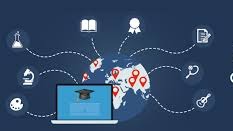
Technology is transforming education through online learning platforms, virtual classrooms, and AI-driven personalization. It improves accessibility, flexibility, and learning outcomes.

Digital Learning Platforms

Digital Learning Platforms

E-learning platforms enable remote and self-paced learning.

Future of Education

Future of Education

AI and immersive technologies will shape future learning.

Who this is for

This is for students, job seekers, and working learners who want a clearer picture of the skill before they pick a course.

How we help you after you read

We help you see a career direction before you pick a course. You can start from where you are, including if you are new to IT. In lab we practise the role, not only names of tools. After a course, we stay with you until you get a job, based on your performance.

Share this article

What you can do next

If this topic is the skill you want to practise, we can map it to a course. You can book counselling or open a course. A branch visit is not required outside Ahmedabad.

Questions about this article

Short answers about who this is for, what to do next, and how to talk to us.

  • Who should read How Technology is Changing Education?

    This is for students, job seekers, and working learners who want a clearer picture of the skill before they pick a course. You can read it from anywhere. If you want lab practice next, we will help you pick a course.

  • Do I need to visit Ahmedabad to use this article?

    No. You can read from anywhere. Our centres are in Ahmedabad only — Maninagar, Nikol, and Vatva. A visit is optional and is not required outside Ahmedabad.

  • Is this article the same as joining a CEC course?

    No. We wrote this so you can understand the topic in plain language. A course is where you practise in lab, build work, and get feedback.

  • What should I do after I finish reading?

    If this is the skill you want to practise, book counselling or open a related course. For this topic, you can start with Artificial Intelligence & Machine Learning, Digital Marketing Professional with AI, Advanced Excel & AI-Driven Data Analytics, or browse all courses.

  • Can a parent use this to decide for a child?

    Yes. You can read it together and then book counselling. School children of any grade start with counselling first — we do not enrol a child into a full career track without that conversation.

  • Can I start this skill after 10th or 12th if I did not pass?

    After 10th or 12th, anyone can apply — pass, not pass, or a gap year, and any stream. Counselling is where we match the skill in this article to a course you can actually attend.

  • Will reading this get me a job?

    No. An article is for understanding. If you join a course, complete practical work, and sit interviews, we stay with you until you get a job, based on your performance.

  • How do I talk to CEC about this topic?

    Book counselling and mention this article, call +91 75740 10176, WhatsApp the same number, or email info@cecyours.org. You do not need to visit a branch to start.

More to Explore

Role of Technology in Modern Education
Dec 15, 2025

Role of Technology in Modern Education

Role of Technology in Modern Education

Technology has transformed the way we teach, learn, and access information. Modern education leverages digital tools, online resources, and interactive platforms to create a more engaging, efficient, and personalized learning experience.

1. Enhanced Accessibility and Flexibility

  • E-Learning Platforms: Students can access courses, tutorials, and lectures anytime and anywhere.

  • Remote Learning: Technology enables learning beyond geographical limitations, connecting teachers and students globally.

  • Assistive Tools: Tools for differently-abled learners ensure inclusive education.

2. Interactive Learning Experiences

  • Multimedia Content: Videos, animations, and simulations make complex concepts easier to understand.

  • Virtual Labs and AR/VR: Students can perform experiments, explore historical sites, or interact with 3D models virtually.

  • Gamification: Learning through games, quizzes, and challenges increases engagement and retention.

3. Personalized Learning

  • Adaptive Learning Systems: Technology analyzes student performance to provide customized learning paths.

  • AI Tutors and Chatbots: Offer instant guidance, answer queries, and provide feedback.

  • Data-Driven Insights: Educators can monitor progress and identify areas where students need support.

4. Collaboration and Communication

  • Online Collaboration Tools: Platforms like Google Classroom, Microsoft Teams, and Zoom facilitate group projects and discussions.

  • Global Peer Interaction: Students can collaborate with peers worldwide, sharing knowledge and ideas.

  • Teacher-Student Communication: Real-time feedback and support improve learning outcomes.

5. Skill Development and Career Readiness

  • Technology Integration: Helps students acquire digital literacy and technical skills relevant for the modern workforce.

  • Practical Exposure: Coding platforms, virtual labs, and project-based learning prepare students for real-world challenges.

  • Career Guidance: Online platforms provide resources for resume building, internships, and career planning.

Read Article
How Technology Skills Improve Employability
Dec 15, 2025

How Technology Skills Improve Employability

How Technology Skills Improve Employability

In today’s fast-paced digital world, technology skills have become one of the most valuable assets for job seekers. Whether you are a student, fresher, or working professional, having a strong understanding of technology can significantly enhance your employability and career prospects.

1. Meeting Industry Demand

Most industries today rely heavily on technology for operations, communication, and decision-making. Employers actively look for candidates who are proficient in:

  • Programming and software development

  • Data analysis and visualization

  • Cloud computing and networking

  • Cybersecurity

By developing these skills, you increase your chances of securing high-demand roles in IT, business, and other technology-driven sectors.

2. Enhancing Problem-Solving Abilities

Technology skills teach you logical thinking, analytical problem-solving, and structured decision-making. For example:

  • Debugging code in programming improves analytical thinking

  • Using data analytics tools helps identify patterns and make informed decisions

  • Learning cloud platforms enables optimizing IT solutions

These skills make you more resourceful and valuable to employers.

3. Adapting to Automation and Digital Transformation

With the rise of automation, AI, and digital platforms, many traditional roles are evolving. Employees with technology skills can:

  • Adapt quickly to new tools and software

  • Automate repetitive tasks

  • Contribute to digital transformation initiatives

Employers prefer candidates who can work efficiently in a technology-driven environment.

4. Increasing Job Opportunities

Technology skills open doors to a wide range of careers. Some examples include:

  • Software Engineer

  • Data Analyst or Data Scientist

  • Network or Cloud Engineer

  • Cybersecurity Specialist

  • Web and App Developer

Even non-technical roles increasingly require basic tech literacy, such as using collaboration tools, managing databases, or analyzing digital reports.

5. Building Competitive Advantage

Possessing technology skills sets you apart from other candidates. It demonstrates:

  • Your willingness to learn and stay updated with modern trends

  • Your ability to handle complex tasks using technology

  • Readiness for both entry-level and advanced roles

Employers value candidates who can integrate technology into problem-solving and business processes.

6. Supporting Lifelong Learning

Technology is constantly evolving. By developing tech skills, you also build the habit of continuous learning, which is critical for long-term career growth. Staying updated with new tools, programming languages, and software keeps you relevant in the job market.

Read Article
Future of Technology and Career Opportunities
Dec 15, 2025

Future of Technology and Career Opportunities

Future of Technology and Career Opportunities

The rapid evolution of technology is continuously reshaping industries and creating new career opportunities. Staying updated with emerging trends is essential for students, professionals, and anyone aspiring to build a future-proof career in the tech world.

1. Emerging Technology Trends

Several technologies are driving innovation and transforming the job market:

  • Artificial Intelligence (AI) and Machine Learning (ML): Automating tasks, predictive analytics, and intelligent systems.

  • Cloud Computing: Remote data storage, scalable applications, and SaaS solutions.

  • Internet of Things (IoT): Connected devices in smart homes, healthcare, and industrial automation.

  • Blockchain Technology: Secure and decentralized digital transactions.

  • Cybersecurity: Protecting data and digital infrastructure from evolving threats.

  • Augmented Reality (AR) and Virtual Reality (VR): Immersive experiences for gaming, education, and training.

  • Mobile and Web Development: Constant demand for apps, websites, and digital solutions.

2. Career Opportunities in Technology

Technology careers are diverse and growing, offering high-paying and future-proof roles:

  • Software Developer / Engineer: Building web, mobile, and desktop applications.

  • Data Scientist / Analyst: Analyzing and interpreting complex data to support decision-making.

  • AI / ML Engineer: Designing intelligent systems and algorithms for automation and innovation.

  • Cybersecurity Specialist: Protecting networks, applications, and data from threats.

  • Cloud Engineer / DevOps: Managing cloud infrastructure and deploying scalable applications.

  • Full Stack / Frontend / Backend Developer: Designing, building, and maintaining modern web applications.

  • IoT Developer: Creating connected devices and smart solutions for industries and homes.

3. Why Technology Careers Are Promising

  • High Demand: Organizations across industries rely on technology solutions.

  • Global Opportunities: Technology skills are valued worldwide, enabling remote and international work.

  • Innovation-Driven Roles: Professionals can work on cutting-edge projects like AI, robotics, and blockchain.

  • Continuous Learning: Rapid innovation ensures constant skill growth and knowledge expansion.

4. Preparing for Technology Careers

To succeed in tech careers:

  • Develop strong programming and problem-solving skills

  • Learn emerging technologies and industry trends

  • Gain hands-on experience through projects, internships, or freelance work

  • Build a professional network and engage in continuous learning

Read Article